
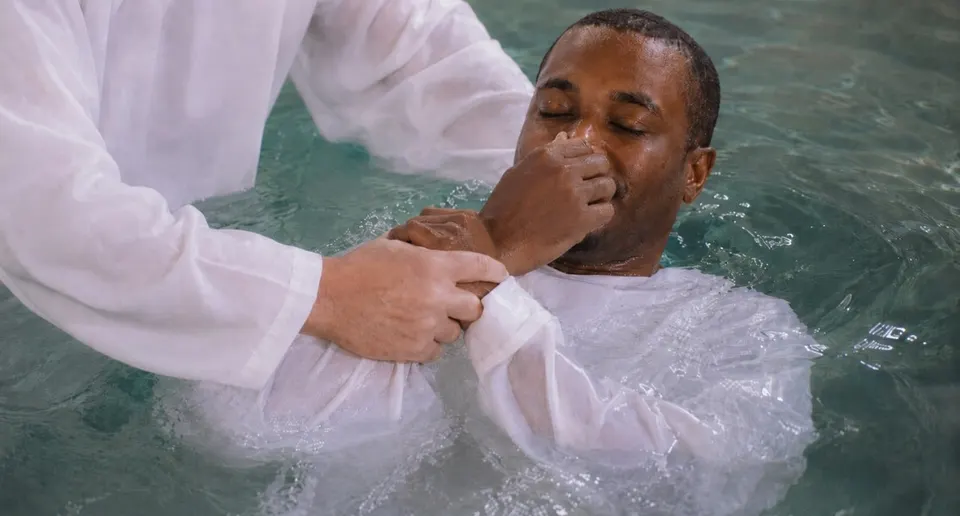
Churches of Christ teach that baptism is for the forgiveness of sins because that is how we understand the New Testament to describe it. When Scripture explains the purpose of baptism, it connects baptism with receiving forgiveness, entering Christ, and being saved, not merely with illustrating a salvation received at an earlier time.
This is not a minor disagreement about when to conduct a religious ceremony. If baptism is only a public picture of salvation already received, its timing does not determine whether someone has been forgiven. If God has appointed baptism as part of the response through which a believer receives forgiveness, then understanding and obeying His instruction matters greatly.
The right question is not what churches have traditionally taught about baptism. It is what the New Testament says baptism is for.
What Did Peter Say Baptism Is For?
On the day of Pentecost, Peter preached the first gospel sermon following the death, resurrection, and ascension of Jesus. Those who heard him were convicted of their guilt and asked:
“Brothers, what shall we do?” ().
Peter answered:
“Repent and be baptized every one of you in the name of Jesus Christ for the forgiveness of your sins” ().
Peter did not tell them that they had already been forgiven and should later be baptized to announce it. He commanded them to repent and be baptized for the forgiveness of their sins.
Some argue that “for” in this verse means “because your sins have already been forgiven.” We do not believe that reading fits Peter’s answer. The same expression translated “for the forgiveness of sins” appears in , where Jesus said His blood would be poured out “for the forgiveness of sins.” His blood was not shed because forgiveness had already occurred, but so that forgiveness could be made possible.
therefore presents baptism as part of the response God requires from those seeking His forgiveness.
Why Was Saul Told to Be Baptized?
Saul of Tarsus encountered the risen Jesus on the road to Damascus. He believed what he had seen, recognized Jesus as Lord, and spent three days fasting and praying. Then God sent Ananias to tell him what he needed to do.
Ananias said:
“And now why do you wait? Rise and be baptized and wash away your sins, calling on his name” ().
Saul’s faith, prayer, and remorse were sincere, but Ananias still connected the washing away of his sins with baptism and calling upon the Lord.
The water itself possessed no cleansing power. Saul’s sins were washed away by the blood of Christ as he responded to God in trusting obedience. Baptism was not a human substitute for grace; it was the God-appointed response through which Saul called upon the Lord for that grace.
Does the Bible Say Baptism Saves?
Peter wrote:
“Baptism, which corresponds to this, now saves you, not as a removal of dirt from the body but as an appeal to God for a good conscience, through the resurrection of Jesus Christ” ().
Peter carefully explains what he means. Baptism is not an ordinary washing of the body. Its saving significance comes through the resurrection of Jesus Christ and involves an appeal to God from a believing heart.
Baptism does not save because water has spiritual power or because performing an act earns God’s favor. God saves through Christ. Yet Peter plainly connects baptism with that salvation, and we should be careful not to separate what Scripture has joined together.
Is Baptism Only a Symbol?
Many sincere believers have been taught that baptism is “an outward sign of an inward grace” or a public testimony that salvation occurred at the moment of faith alone. Those who teach this rightly want to protect the biblical truth that salvation is God’s gift and cannot be earned.
Baptism certainly contains rich symbolism, but the New Testament does not present it as only a symbol. Paul describes it as the point at which a believer is united with Christ in His death, burial, and resurrection:
“We were buried therefore with him by baptism into death, in order that, just as Christ was raised from the dead by the glory of the Father, we too might walk in newness of life” ().
He also wrote:
“For as many of you as were baptized into Christ have put on Christ” ().
Baptism portrays a burial, but it is more than a reenactment of something completed earlier. In baptism, a repentant believer submits to God, is united with Christ, and rises to begin a new life.
Does Baptism Mean We Earn Salvation?
No. Baptism is not a payment made to God, a work of human merit, or an accomplishment about which anyone can boast.
Paul wrote:
“Having been buried with him in baptism, in which you were also raised with him through faith in the powerful working of God, who raised him from the dead” ().
Notice where Paul places the power: not in the water or in the person being baptized, but in God. The person submits in faith; God performs the saving work.
Salvation remains a gift of grace from beginning to end:
“For by grace you have been saved through faith. And this is not your own doing; it is the gift of God, not a result of works, so that no one may boast” ().
Faith does not earn salvation, repentance does not earn salvation, and baptism does not earn salvation. These are not achievements that place God in our debt. They are the response God calls us to make so that we may receive the salvation Christ purchased for us.
Calling baptism necessary does not deny grace. It trusts God to give His gift in the way He has revealed.
Why Does This Difference Matter?
If baptism is merely a picture of forgiveness already received, then someone may be saved before baptism and remain saved without ever being baptized.
If the New Testament instead places baptism within the believer’s response to the gospel, connecting it with forgiveness, entrance into Christ, and salvation, then baptism should not be treated as an optional ceremony to be completed whenever convenient.
This does not give us permission to judge another person’s heart. Many sincere people love Christ and have followed what they were taught. But sincerity does not make careful obedience unimportant. When we learn something from God’s Word, faith calls us to respond.
Churches of Christ have no central earthly headquarters or governing body, so Memorial cannot speak officially for every congregation using that name. This article explains what we understand Scripture to teach and what we teach here.
Examine the Passages for Yourself
Do not accept this conclusion merely because we have stated it. Read Acts 2, Acts 22, Romans 6, Galatians 3, Colossians 2, and 1 Peter 3 in their full context.
As you read, ask:
- What does each passage connect with baptism?
- Is baptism described as following salvation or as part of the response through which salvation is received?
- Where does the saving power reside?
- How did people respond when they understood the gospel?
Take these questions seriously, but do not be afraid of them. God’s Word is not given to confuse honest seekers. Read patiently, pray for wisdom, and allow Scripture to correct every human teaching, including ours.
Examine God’s Word With Us
At Memorial Church of Christ, we would be glad to study baptism with you from the Bible. We will not ask you to accept an answer merely because it comes from us. Bring your questions and examine every passage for yourself.
Plan your visit. Come as you are, and ask us anything.
If you would like to examine the complete New Testament teaching about becoming a Christian, start here.
When we meet:
- Sunday: Bible Class 9:00 am, Worship 10:00 am, Worship 6:00 pm
- Wednesday: Bible Class 7:00 pm